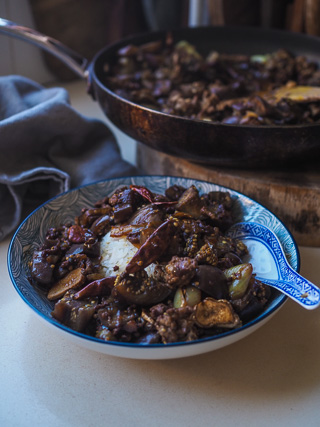
Authentic Stifado Recipe: A Journey to Greek Culinary Perfection
There are certain dishes that transport you straight to their origin with every fragrant bite, and Greek Stifado is undeniably one of them. Imagine succulent, slow-cooked beef, bathed in a rich, spiced tomato and red wine sauce, studded with sweet, tender pearl onions. This isn't just a meal; it's a comforting embrace, a symphony of flavors that speaks of tradition, warmth, and the leisurely pace of Mediterranean life. If you've been searching for an authentic Stifado recipe that truly captures the soul of this beloved Greek casserole, you've come to the right place. We're about to guide you through crafting a beef stifado that’s so good, you’ll swear you’re dining in a taverna overlooking the Aegean Sea.
While the prospect of slow-cooking might seem daunting, the beauty of Stifado lies in its forgiving nature and the magic that happens with time. It's truly one of those dishes that improves overnight, making it an ideal candidate for entertaining or simply enjoying a stress-free weeknight meal. Get ready to transform humble ingredients into a culinary masterpiece that will impress your taste buds and those of your loved ones.
The Heart of Authentic Stifado: Key Ingredients & Flavors
A truly authentic Stifado recipe hinges on a few core ingredients, each playing a vital role in building its distinctive flavor profile. Understanding these components is key to appreciating the depth of this traditional Greek stew.
- The Beef: For a Stifado, choose a cut of beef that thrives with long, slow cooking. Beef chuck roast, round steak, or even beef short ribs (boneless) are excellent choices. These cuts have enough marbling and connective tissue to break down into incredibly tender, flavorful morsels. Cubing the beef into roughly 1.5-inch pieces ensures even cooking and perfect bite-sized portions.
- The Pearl Onions: These are non-negotiable! While regular onions contribute to the base, pearl onions are the signature sweetness and texture of Stifado. Their delicate, slightly sweet flavor caramelizes beautifully, adding a burst of tender juiciness. Peeling them can be a chore, but a quick blanch in boiling water for 30 seconds, followed by an ice bath, makes the skins slip off effortlessly.
- The Aromatic Base: Beyond the pearl onions, a medium onion, finely chopped, and fresh garlic cloves form the foundation of flavor, providing an aromatic backdrop for the richer elements.
- The Wine: Red wine is crucial for deglazing and infusing the stew with a complex, slightly acidic depth. A dry red wine like a Cabernet Sauvignon, Merlot, or even a robust Greek Agiorgitiko works wonderfully. Don't use anything you wouldn't drink!
- The Spices: This is where Stifado truly distinguishes itself from other beef stews. Ground cinnamon and nutmeg are the stars, offering a warm, subtly exotic aroma that is characteristic of Greek cuisine. A strip of fresh orange zest (ensure it's just the orange part, avoiding the bitter white pith) adds a bright, citrusy counterpoint that elevates the entire dish. Some traditional recipes also include a bay leaf or a few whole cloves for added complexity.
- The Tomatoes: Canned diced tomatoes provide the tangy, acidic body for the sauce. Combined with a touch of sugar, they mellow beautifully during the long simmer, creating a rich, balanced gravy.
Mastering the Stifado Cooking Process: Step-by-Step Perfection
Crafting the perfect Stifado recipe involves a series of steps designed to build layers of flavor. While it requires time, each stage is straightforward and contributes significantly to the final, mouth-watering result.
Step 1: The Browning Foundation
A common mistake in stew-making is skipping or rushing the browning of the meat. This step is absolutely critical for developing deep, savory flavors through the Maillard reaction. Heat 1 tablespoon of butter and half of the first tablespoon of olive oil in a large, heavy-bottomed skillet over medium-high heat. Once shimmering, brown half of your beef cubes on all sides until they develop a rich, dark crust. Avoid overcrowding the pan; work in batches if necessary, as overcrowding steams the meat instead of browning it. Transfer the browned beef to a large saucepan or Dutch oven. Repeat this process with the remaining butter, olive oil, and beef.
Step 2: Building the Aromatic Base
With the beef transferred, reduce the heat to medium. Stir the chopped medium onion and minced garlic into the flavorful oil remaining in the skillet. Cook and stir until the onion softens and turns translucent, typically about 5 minutes. This gentle sautéing extracts their sweet and pungent notes without burning them.
Step 3: Deglazing and Uniting Flavors
Pour in ½ cup of red wine into the skillet with the softened aromatics. Bring it to a simmer, scraping up any browned bits from the bottom of the pan – this is where incredible flavor resides! The wine not only deglazes but also adds a crucial layer of acidity and depth. Once simmering, scrape the onion and garlic mixture, along with the deglazing liquid, into the saucepan with the browned beef.
Step 4: The Initial Simmer – Spice Infusion
Now, it’s time to season the beef generously. Sprinkle in ¼ teaspoon of ground cinnamon, a pinch of salt and pepper to taste, ¼ teaspoon of ground nutmeg, and 1 teaspoon of white sugar (to balance the acidity of the tomatoes). Add the fresh orange zest strip. Pour in the 14.5-ounce can of diced tomatoes and ½ cup of water. Stir everything together, ensuring the beef is mostly submerged. Cover the saucepan, bring it to a simmer over medium-high heat, then immediately reduce the heat to medium-low. Let it gently simmer for 1 hour. This extended cooking time is the secret to perfect stifado: slow-simmered beef for max flavor & freezing, allowing the beef to tenderize and the spices to meld.
Step 5: Preparing the Pearl Onions
While the beef simmers, prepare your pearl onions. In the same skillet (no need to wash it, those leftover flavors are good!), heat the remaining tablespoon of olive oil over medium heat. Add the peeled pearl onions and cook them, stirring frequently, until they are beautifully browned all over. This usually takes about 20 minutes. Browning them separately adds a fantastic depth of flavor and prevents them from becoming mushy during the long stewing process.
Step 6: The Final Simmer and Reduction
After the beef has simmered for an hour, add the browned pearl onions to the saucepan. Recover, and continue to simmer for an additional 20 minutes. Finally, remove the lid and continue to simmer, uncovered, for about 10 minutes. This allows the sauce to reduce and thicken slightly to a luscious consistency. Before serving, remember to remove the orange zest strip, as its flavor will have fully infused the stew.
Expert Tips for Your Best Stifado
Beyond the fundamental steps, a few insights can elevate your homemade Stifado from delicious to truly unforgettable.
- The Make-Ahead Advantage: This is perhaps the most crucial tip for any Stifado recipe. Like many great stews, Stifado tastes even better the next day. The flavors have time to deepen, meld, and truly develop their complexity. Make it a day in advance, store it covered in the fridge, and gently reheat it before serving. For more detailed advice on this, check out our guide on Mastering Beef Stifado: Your Guide to a Delicious Make-Ahead Casserole.
- Freezing for Future Feasts: Stifado freezes exceptionally well. Once cooled completely, transfer portions to freezer-safe containers. It can be frozen for up to 3 months. Thaw overnight in the refrigerator and reheat gently on the stovetop or in the oven. This makes it perfect for meal prepping!
- Choosing the Right Red Wine: While any dry red wine works, consider a bottle with some body but not too much tannin, as this can become bitter during long cooking. A medium-bodied Merlot or a Cotes du Rhone is often an excellent choice.
- A Touch of Vinegar: Some authentic Stifado recipes call for a splash of red wine vinegar added towards the end of cooking. This provides an additional layer of brightness and tang, cutting through the richness of the stew. Experiment with a tablespoon or two if you enjoy a more pronounced acidic note.
- Serving Suggestions: Stifado is incredibly versatile. It pairs beautifully with creamy mashed potatoes, fluffy rice, or traditional orzo pasta. Don't forget a generous hunk of crusty bread to sop up every last drop of that glorious sauce. A sprinkle of crumbled feta cheese or fresh parsley before serving adds a lovely finish.
- Spice Balance is Key: While cinnamon and nutmeg are signature, they should complement, not overpower, the other flavors. Start with the suggested amounts and adjust slightly to your preference. Remember, a little goes a long way.
Conclusion
Crafting an authentic Stifado recipe is a rewarding culinary experience that brings the warmth and rich flavors of Greece into your home. This hearty beef and pearl onion stew, with its unique blend of red wine and aromatic spices, promises not just a meal, but a memorable journey for your palate. By following these detailed steps and incorporating our expert tips, you'll create a dish that's incredibly tender, deeply flavorful, and perfectly balanced. Whether you enjoy it fresh from the pot or after its flavors have deepened overnight, this Stifado is destined to become a cherished recipe in your culinary repertoire. Kali Orexi!